Why Food Access Belongs in Pediatric Care
Picture a caregiver in New York City who has already worked a full shift, picked up two kids from school, and rushed straight to a pediatric appointment. They are thinking about homework, bedtime, and the next paycheck. They are also wondering whether the groceries in the fridge will last until the end of the week. In a visit that might last only 15 or 20 minutes, it is easy for worries about food, rent, or transportation to stay unspoken. Yet those are the worries that quietly shape a child’s health.
When Unmet Needs Go Unnoticed
Unmet needs like food insecurity often stay hidden during medical visits. Caregivers may feel embarrassed, worry about judgment, or simply not realize that a doctor or nurse can help with anything beyond prescriptions and lab results. Pediatric providers are focused on diagnosing symptoms, tracking growth, and addressing immediate concerns, which can leave little time for deeper conversations unless there is a structure in place to ask about them. When questions about food, housing, or stress are not built into care, kids may return again and again with issues that are really rooted in those everyday struggles. A child’s weight, behavior, or chronic conditions might be labeled “noncompliant” when the real problem is that the family cannot afford enough healthy food.
Why Pediatric Settings Are So Powerful
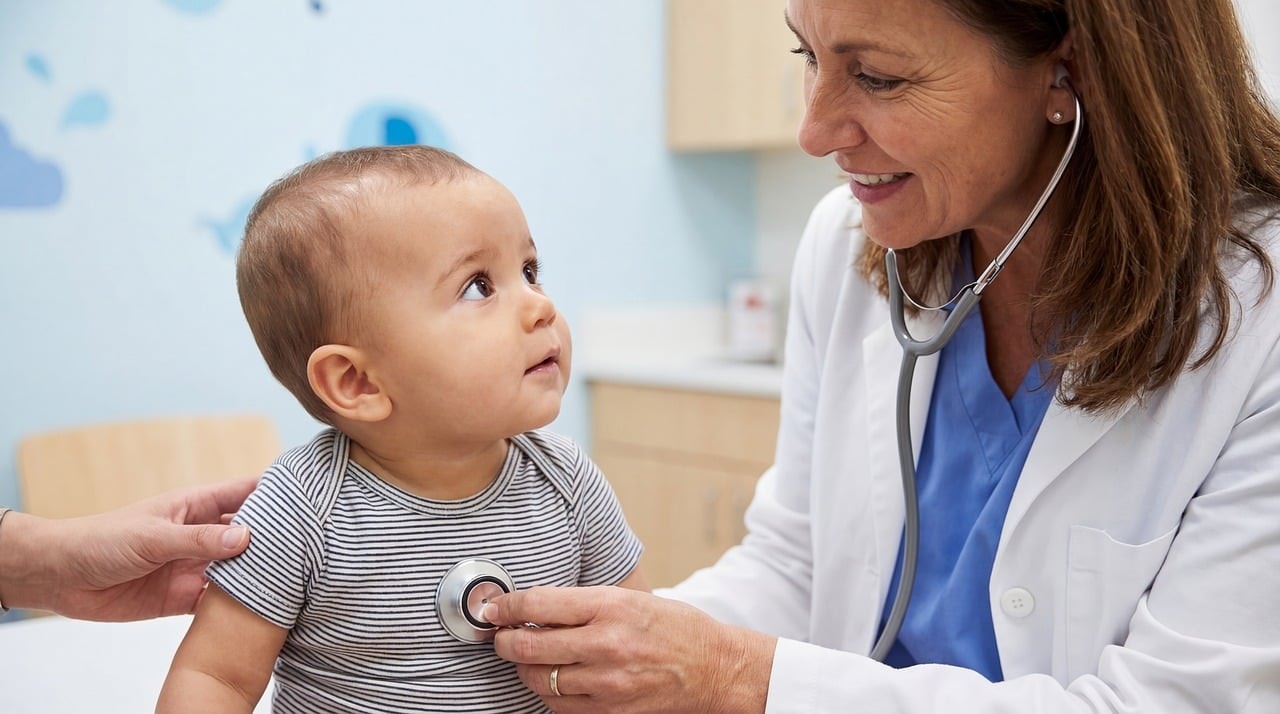
Pediatric care is one of the best places to identify and address these hidden needs. Many families see their pediatric team regularly, whether for checkups, vaccinations, or follow up visits, which means there are multiple touchpoints to notice patterns and build trust over time. Pediatric providers are trained to look at the whole child, not just a single symptom, and they often know the family’s history, strengths, and challenges. When a trusted doctor or nurse asks about whether there is enough food at home, families are more likely to answer honestly. The clinic setting also makes it easier to turn that conversation into immediate help, instead of handing a family a list of phone numbers and hoping they will find time to call later.
A “Universe” of Support at Children of Bellevue
At Children of Bellevue, the whole child approach has grown into a universe of programs that overlap and reinforce one another. Food access is one piece of that universe. Through partnerships with local food pantries, families can receive fresh food and help enrolling in nutrition benefits during the same visit where their child is weighed and examined. Mental health programs provide support for kids facing anxiety, trauma, or depression, while child and adolescent psychiatry services offer emergency and ongoing care. Early childhood development and literacy initiatives help babies, toddlers, and young children build strong foundations for learning. The Loeb Child Protection Center stands ready to support children who may be experiencing abuse or neglect. Together, these programs recognize that a child's health depends on nutrition, emotional well-being, safety, and opportunities to grow and learn.
Integrated Care Under One Roof
What makes this approach powerful is how seamlessly it is woven into care at Bellevue. A pediatrician might notice that a child’s growth curve has flattened and gently ask about meals at home. In the same visit, a staff member from a CoB supported program can meet with the family, connect them with food resources, and schedule a follow up. If a child shares worries or behavior that suggest emotional distress, the team can loop in mental health services without sending the family to a completely different system. When a concern about safety arises, the child protection team is right there in the same hospital. Instead of sending families in different directions, Children of Bellevue helps coordinate care so that one visit can open the door to multiple kinds of support.
How You Can Help Make Holistic Care Possible
Holistic, integrated care like this does not happen on its own. It exists because donors, partners, and community members believe that every child deserves more than a quick exam and a prescription. They deserve care that recognizes the realities of their daily lives, including whether there is enough food on the table. By supporting Children of Bellevue, you help keep this universe of programs strong so families can receive food support, mental health care, developmental services, and protection all in one trusted place. Your generosity helps turn a busy pediatric visit into a moment where a caregiver no longer has to carry everything alone and where a child’s health is supported from every angle.